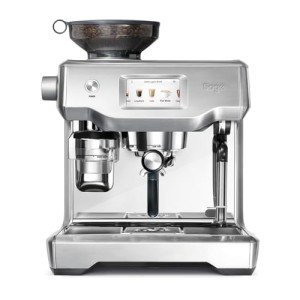
Understanding Dual Boiler Espresso Machines: A Comprehensive Guide
Espresso is an art as much as it is a science. For coffee lovers and baristas alike, accomplishing the ideal shot of espresso necessitates accuracy and control over brewing variables. One of the most reliable ways to achieve this precision is through making use of dual boiler espresso machines. This post looks into the performance, benefits, and factors to consider of dual boiler espresso machines for both beginners and experienced coffee aficionados.
What is a Dual Boiler Espresso Machine?
A dual boiler espresso machine features two different boilers: one for developing espresso and the other for steaming milk. This design allows the user to brew coffee and steam milk simultaneously, attaining optimum temperature level control for both processes. This is vital for producing lattes, coffees, and macchiatos, where both components are vital.
Table 1: Key Components of Dual Boiler Espresso Machines
| Component | Function |
|---|---|
| Espresso Boiler | Warms water to the perfect developing temperature level (around 190 ° F) |
| . Steam Boiler | Heats water to a greater temperature level (around 250 ° F) for steaming milk. |
| PID Controller | Regulates the temperature level of the boilers for precision brewing. |
| Group Head | Where the coffee premises sit and hot water goes through. |
| Steam Wand | Provides steam to froth milk. |
Benefits of Dual Boiler Espresso Machines
1. Synchronised Brewing and Steaming
The most considerable benefit of dual boiler espresso machines is the capability to brew espresso and steam milk at the same time. This efficiency is particularly beneficial in hectic environments, such as cafes, where speed and quality are vital.
2. Constant Temperature Control
Dual boiler machines frequently come with innovative PID (Proportional Integral Derivative) controllers that keep a consistent temperature throughout the brewing process. Consistency is essential in espresso making to ensure the very best extraction, hence improving taste and aroma.
3. Customization and Versatility
With 2 separate boilers, users can personalize the temperature settings for both espresso developing and milk steaming. This means various kinds of coffee, such as lighter or darker roasts, can be prepared completely to match individual taste profiles.
4. Perfect for Advanced Techniques
For those interested in latte art or other innovative strategies, a dual boiler espresso machine supplies the versatility to deal with different milk textures while likewise extracting espresso. This flexibility makes it an appealing option for baristas who wish to hone their skills.
5. Durability and Durability
Many dual boiler machines are built with high-quality products designed for durability. Home Use Espresso Machines are typically made of stainless-steel and function durable elements, making them a beneficial investment for anyone severe about coffee.
Disadvantages of Dual Boiler Espresso Machines
Despite their many benefits, dual boiler machines can have some drawbacks:
- Higher Cost: Dual boiler machines tend to be pricier than their single-boiler counterparts, which might not appropriate for casual coffee drinkers.
- Size and Space: These machines might inhabit more countertop space than others, making them less ideal for small kitchen areas.
Table 2: Key Considerations When Choosing a Dual Boiler Espresso Machine
| Consideration | Description |
|---|---|
| Budget | Dual boiler machines can vary from ₤ 1,000 to over ₤ 4,000. |
| Size | Check your kitchen area area before purchasing. |
| Brand Reputation | Search for well-reviewed brands with good client assistance. |
| Features | Consider what functions are important (e.g., PID controller, volumetric options). |
| Maintenance | Some machines may need more regular maintenance than others. |
Frequently asked questions
1. Are dual boiler espresso machines worth the financial investment?
Yes, they are worth the financial investment for major coffee enthusiasts or professional baristas who value precision in espresso extraction and milk steaming.
2. How do I maintain a dual boiler espresso machine?
Routine maintenance includes descaling the machine, cleaning the group head, and making sure that the steam wand is complimentary of milk residue. Seek advice from the manufacturer's manual for particular standards.
3. Can I use a dual boiler espresso machine for other brewing methods?
Usually, dual boiler machines are developed mainly for espresso. However, they can normally brew quality drip coffee and other styles with the right settings and changes.
4. What brand names are understood for their dual boiler machines?
Some trusted brand names include La Spaziale, Breville, and ECM. Each brand has its own distinct features and rates.
5. What is the average life expectancy of a dual boiler espresso machine?
With appropriate care and maintenance, a dual boiler machine can last over a years, making it a long-lasting investment for coffee enthusiasts.
Dual boiler espresso machines represent the pinnacle of espresso-making innovation, merging art and science into one compact device. While they require a greater preliminary investment and more counter top space, the benefits they provide-- such as simultaneous developing and steaming, accurate temperature level control, and toughness-- make them ideal for severe coffee enthusiasts. Comprehending the functions, benefits, and factors to consider for these machines will enable consumers to make informed choices and elevate their coffee developing experience. Whether in the house or in a hectic café, a dual boiler machine can truly boost the art of espresso.